By Sharon Weadick
In January 2022 the late Christopher Gaisford-St Lawrence of Howth Castle kindly donated the three late medieval cast bronze bells to the National Museum in January 2022 on condition that the bells would go on permanent display within two years! To have the bells conserved, the display units designed and made, and text panels written and printed within this timeframe was a real challenge!
Background to the Howth Bells and their importance in the archaeological record:
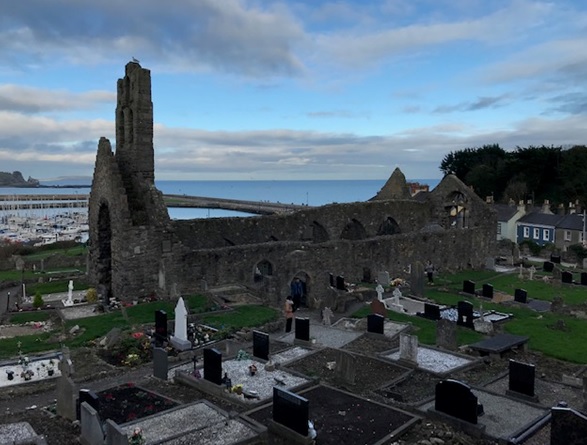
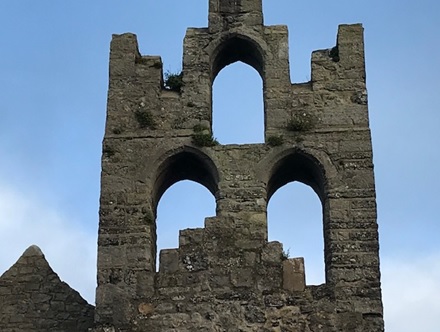
The bells originally hung in the bellcote in St Mary’s Abbey in Howth, Co. Dublin and probably date to the fifteenth century. In medieval times the bells would have sounded the canonical hours, the death of a member of the community or warned of incoming storms. They were also rung to celebrate feast days, such as Christmas and the New Year. Socially and spiritually, they would have been at the heart of the community in Howth.
Although late medieval bells once rang out in every bellcote and belltower in the country, very few have survived today; most have either been recast or melted down. So, the Howth bells are quite exceptional and only six other bells of this period survive today: at St Audeon’s, Dublin, St Pappins, Santry, Dublin and Holy Cross Abbey in Tipperary.
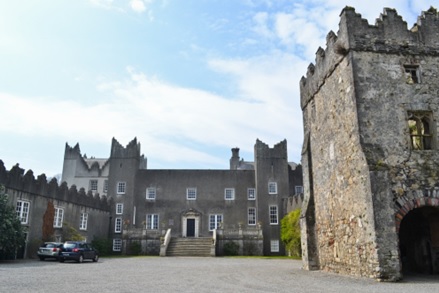
The bells are reputed to have been commissioned by the St Lawrence Family. The St Lawrence’s came to Ireland at the beginning of the Norman conquest at the end of the twelfth century and were granted the lands of Howth. They were patrons of St Mary’s Abbey. From the Latin inscriptions on the Howth bells, we know that the bells are dedicated St Mary, Jesus Christ and Nicholas. The Nicholas bell is probably dedicated to Sir Nicholas St Lawrence, 3rd Baron of Howth (died 1526), who received 300 gold pieces for remaining loyal to Henry VII during the Lambert Simnel affair in 1487. With these gold pieces Sir Nicholas may have funded the casting of the Nicholas bell. When St Mary’s Abbey was abandoned and fell into disrepair the St Lawrence family moved the bells to Howth Castle for safe keeping in the 1740s.
The conservation and display of the bells:
Although I was tasked with curating the display of only three objects, albeit very important objects, there were many challenges along the way. The first challenge was to decide where they would go on display in the Museum in Kildare Street. After a little deliberation we settled on putting them on display in the rotunda (the reception in the Museum on Kildare Street). Helen Butler, archaeological conservator at the National Museum of Ireland, and Kevin O’Brien, the architect in the Heritage Services – Conservation in the OPW, were also assigned to the project.
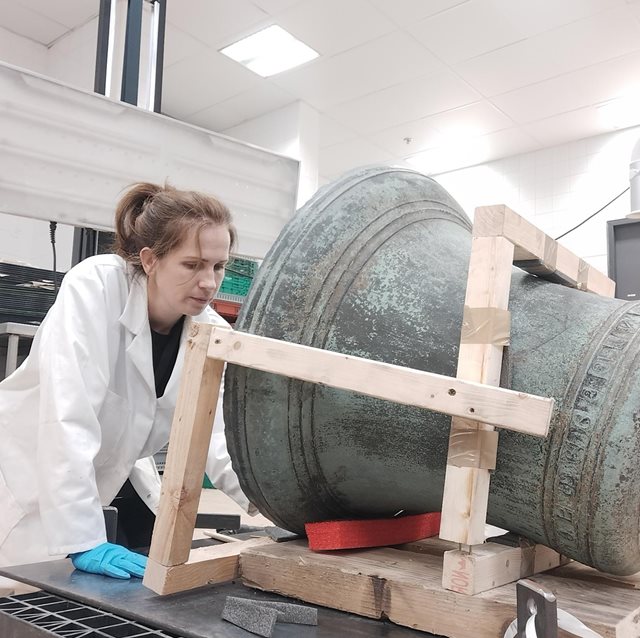
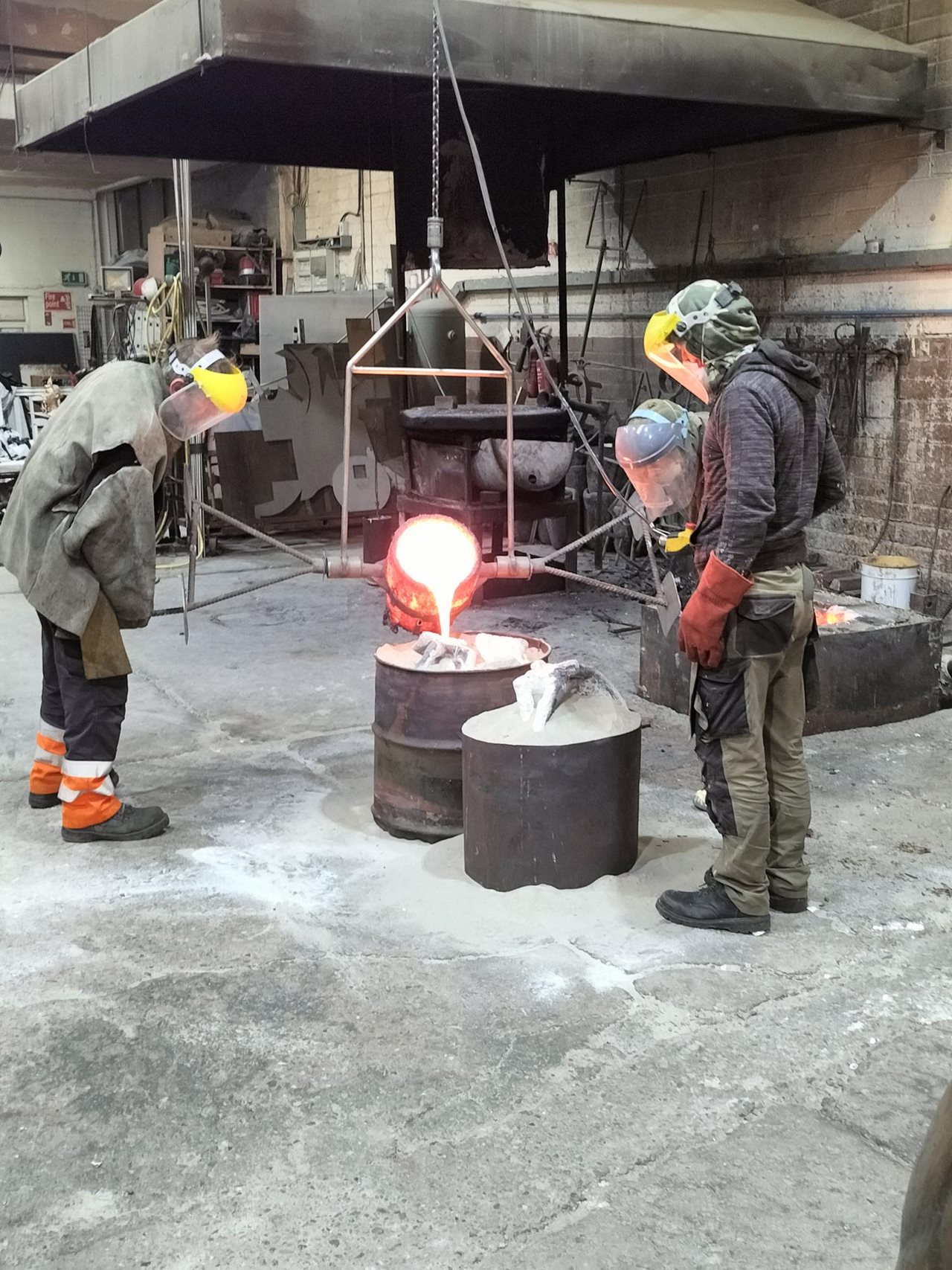
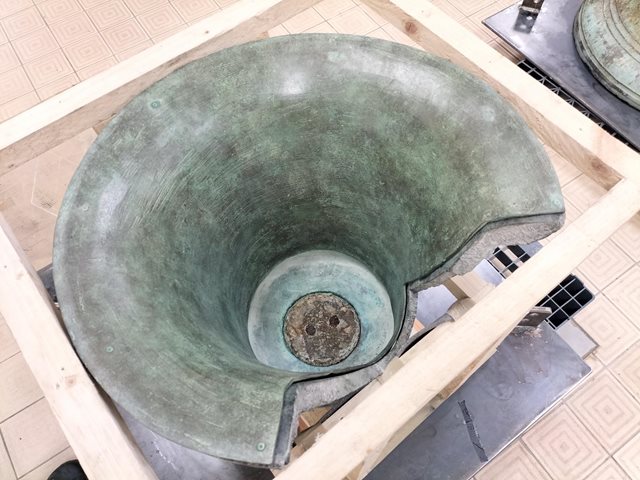
The bells were in quite good condition and only required cleaning and stabilising treatments. However, there was an issue with the condition of the St Mary’s Bell: a substantial portion of the bell is missing and there is a crack around almost the entire circumference of the bell. We had to commission a Bronze Art foundry to make an internal support “sleeve” for the bell.
Kevin O'Brien designed two units: a display unit for the bells and an information unit (still under construction…). His designs were insightful and sensitive to maintaining the link between the bells, St Mary’s Abbey and Howth. The curve of acrylic panels on the display unit reflects the curves of the trefoiled-pointed windows in St Mary’s Abbey, the precast concrete was chosen to represent the colp limestone bedrock on which the Abbey stands, and the pyramidal arrangement of the bells on their mounts also replicate their arrangement in the bellcote.
The installation of the display unit and the bells
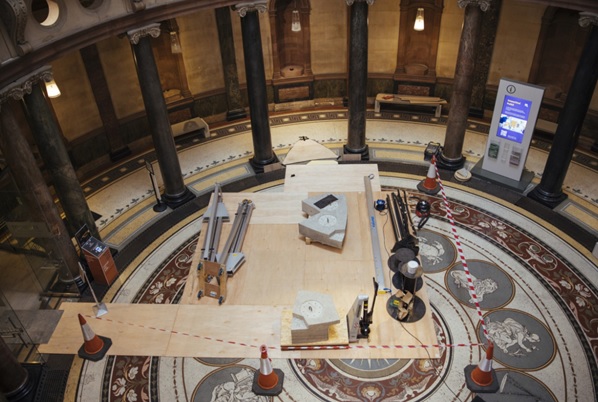
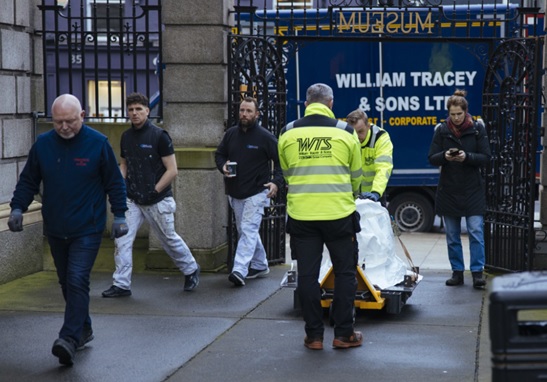
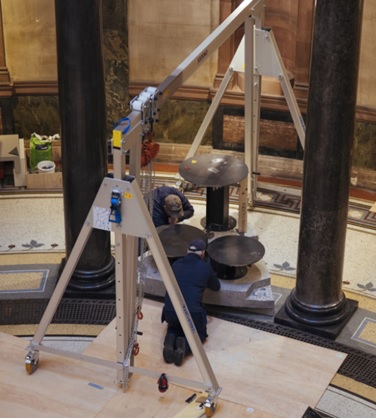
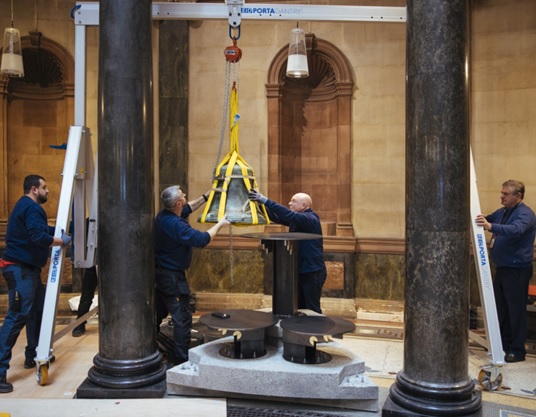
Installation of the display unit and the bells was scheduled for the week of the 20th January 2025. In advance of the installation, we worked with our art handling partners to devise a methodology on how to safely move, lift and transport the bells and the plinth for the display unit. The rotunda was like a building site and with a gantry set up and hazard tape cordoning off the area. The whole event was photographed by our colleague Kyle Tunney in the NMI’s photographic department and a selection of his fantastic photographs, which catch the complexity of the installation so well, are available to see below. For safety purposes the rotunda was closed off to the public and staff for the best part of a week. But it was worth it, the bells and the display unit have really enhanced the appearance of the rotunda and the visitor experience.
The Launch of the display of the Howth Bells
Finally, the Director Lynn Scarff launched the display of the Howth bells on Tuesday the 9th of December. Despite Storm Bram we were delighted that Meryl, Julain and Ann Gaisford-St Lawrence and Lorcan Blake, our honoured guests, were able to make it.
The acquisition of these bells has greatly enriched our collections and are among the most significant and exceptional objects in the Museum’s medieval collections. This acquisition also highlights how the Museum engages not only with the donors and finders and their families, colleagues from other government bodies (The National Monuments Service and the OPW), but also with the communities affiliated to the objects themselves. I was very fortunate and honoured to curate the display of the bells and I hope everyone who visits the Museum will enjoy and be inspired by the display of these very important and exceptional objects.
Thanks to all who assisted along this journey and who attended the launch, especially the Director Lynn Scarff.
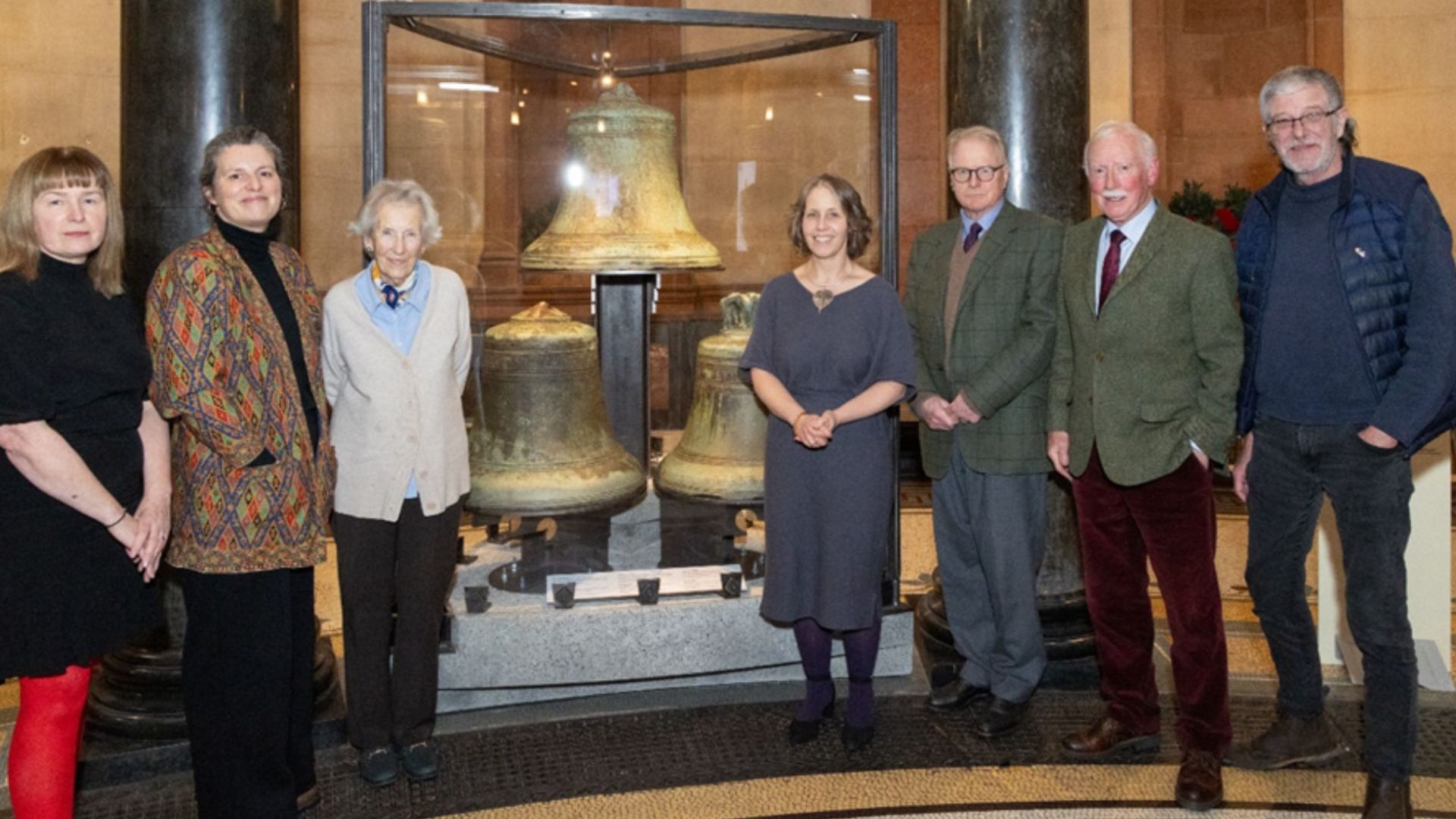
Pauline Gleeson (The National Monuments Service), Lynn Scarff (Director, National Museum of Ireland), Meryl Gaisford-St Lawrence, Sharon Weadick (Irish Antiquities Division), Julian Gaisford-St Lawrence, Lorcan Blake and Philip O’Connor (both from the Howth Peninsula Heritage Society) (Photography by Paul Sherwood)